
A Hidden Sanctuary: Bat Houses at Florida State
Date - Nov 3rd 2026
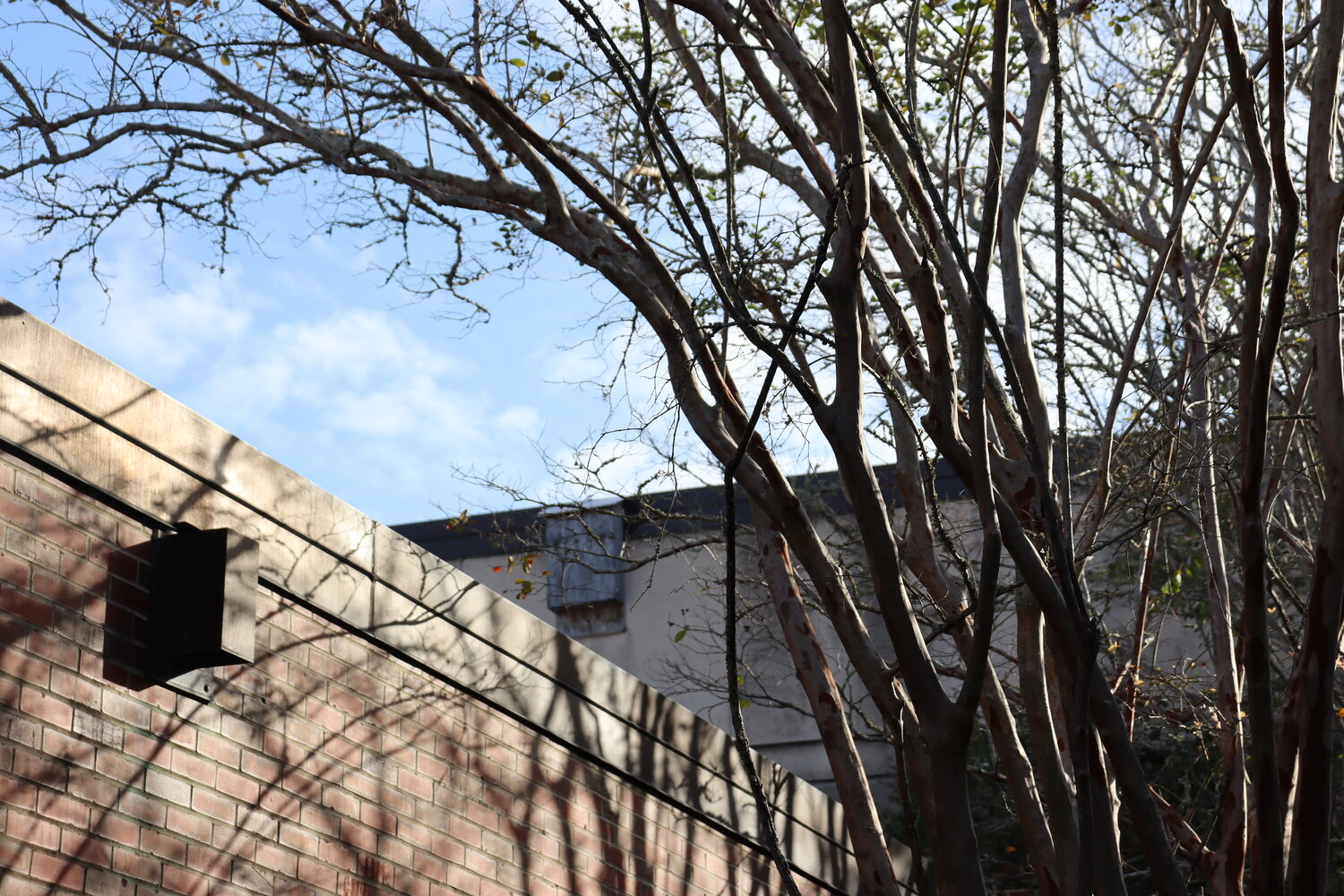
Have you ever been on an evening walk around campus and seen a bat dash out over the tree line? You might’ve been left wondering where this little creature came from. Florida State University is home to several bat houses, or man-made structures providing bats with a safe and warm shelter to roost, specifically designed to protect the unique species of bats native to northern Florida.
Due to the various environmental factors bats need to survive, the construction of a bat house includes many detailed specifications. They must be a minimum of 18 feet high to protect bats from ground predators such as cats, raccoons, and snakes. Bat houses feature multi-chamber designs, providing the batsbats with several places to roost. The structures also must be large enough to house multiple bats, at least 24 inches tall and 16 inches wide. Bats need a warm environment to thrive, so the exterior of the houses must be painted, usually in a light color, to maintain internal temperatures of 80 to 100 degrees Fahrenheit.
The position of a bat house is also critical to its feasibility as a roosting spot for the local bat population. Bat houses must be placed away from trees and hanging branches to prevent predators from climbing into the structure. Bats need to keep warm, so the the bat house needs to be situated in a location that receives about 6 to 8 hours of direct morning sunlight to keep the structure up to temperature. Bat houses feature no depository for guano, or bats’ natural waste, so the structures must be placed in an area where bat guano won’t land on people or buildings
.
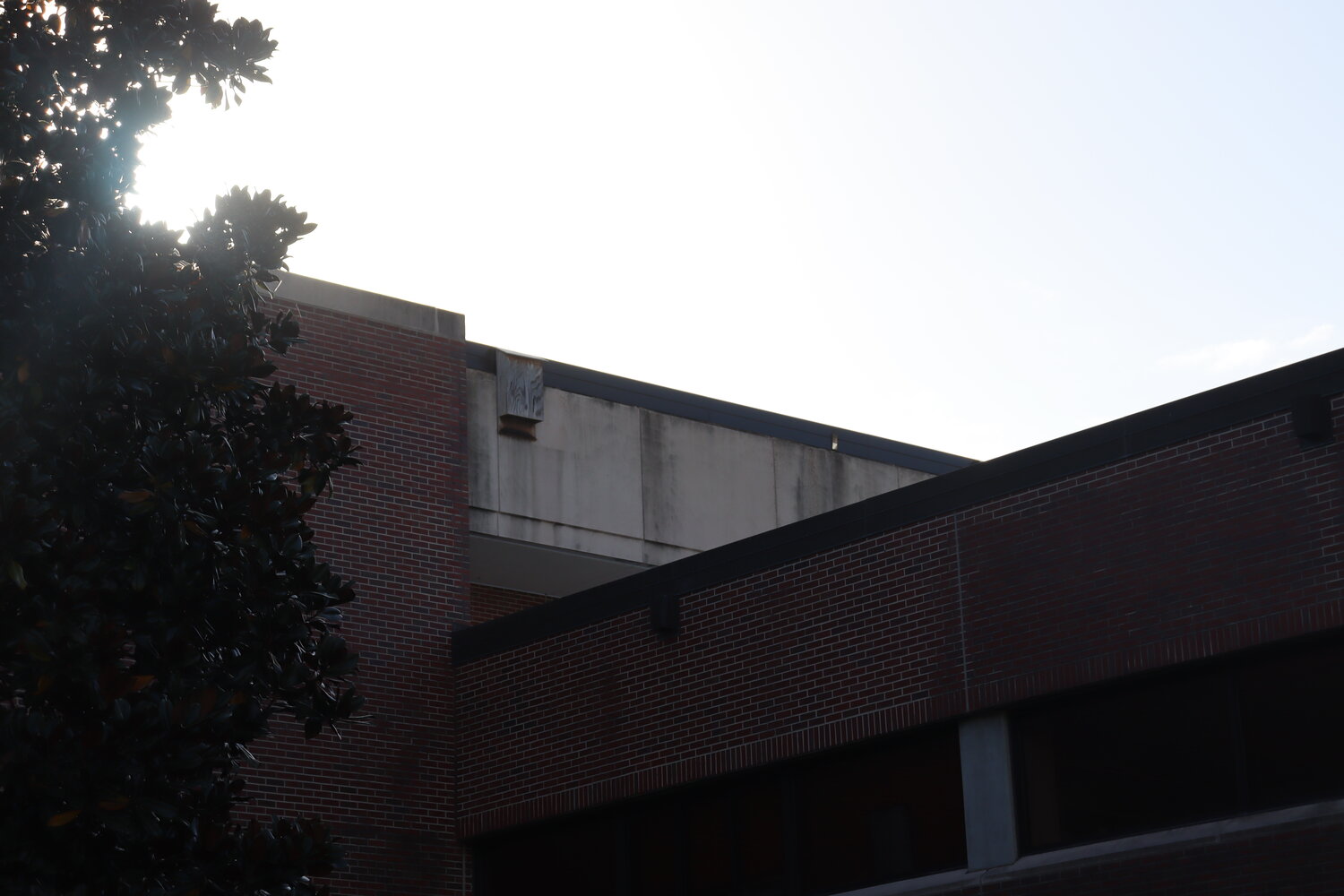
With all the thought that goes into creating these structures, one may be left wondering why Florida State wants to keep a bat population so badly. Ultimately, bats in the area are instrumental to maintaining a balanced ecosystem in Tallahassee. Despite their small bodies, bats can often eat up to 50% or more of their body weight in insects every night and can catch over 1,000 mosquito-sized insects in an hour. This makes the bats at FSU natural pest control. Even their own waste is useful. Bat guano can help provide essential nutrients that support underground communities of below-ground dwelling organisms such as fungi when their droppings fall onto the ground.
The next time you see a bat flittering about the tree line on campus, know that they are a tremendous part of what makes FSU’s campus such a pleasant place to be. You can thank FSU’s bats by not disturbing the little creatures if you see them out and about at night or damaging their houses if you ever happen to come across them. FSU prides itself on the diverse flora and fauna that call this campus home, and helping maintain this principle aids us in protecting the things that make our campus so recognizable.