
Tree Trunk Health: What You Might Not Have Known
Date - Oct 15th 2026
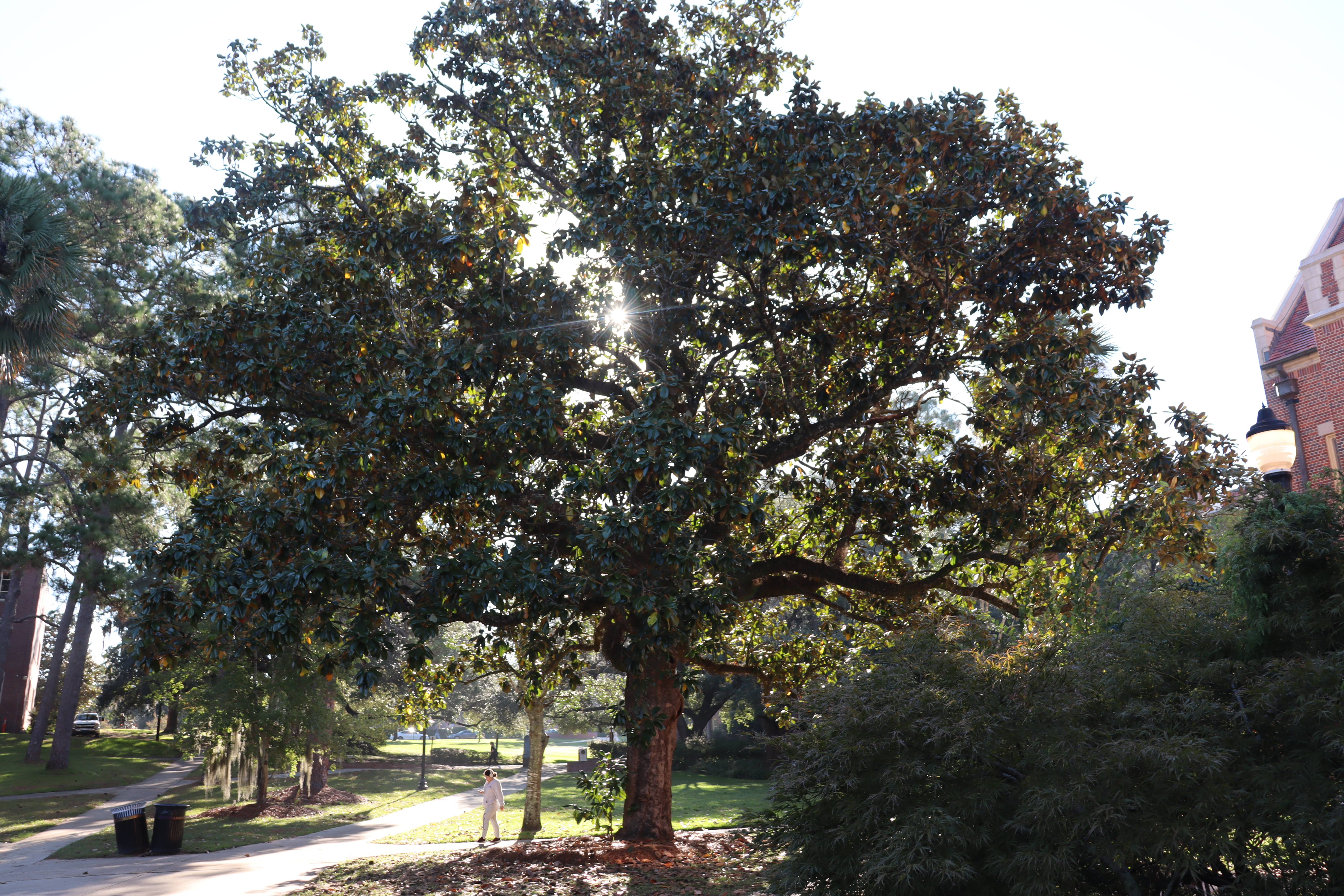
Have you ever walked around campus and been astounded by the majestic trees dotting Landis Green? Or the trees shading Mina Jo Powell Green? Florida State University’s Grounds and Landscaping team is responsible for managing the variety of trees and other greenery that call our campus home. This includes a dedicated effort towards maintaining the health of all the trees here at FSU. Courtesy of FSU Grounds and Landscaping, here’s some of the things they look for when determining the health of a tree.
When looking at a healthy tree trunk, there are several visual details you should be able to point out. The bark should be intact with no obviously unnatural cracks on the surface. However, if inspecting, look deeper than just the trunk. A tree’s root flare, the part of the trunk that widens as it transitions to the roots, can provide significant insight into a tree’s health. A healthy tree should have a visible root flare that is not buried under soil or mulch. Additionally, the tree itself should not have any “wounds”, or major cracks on the surface. Wounds often ooze black liquid, which can indicate a bacterial infection.
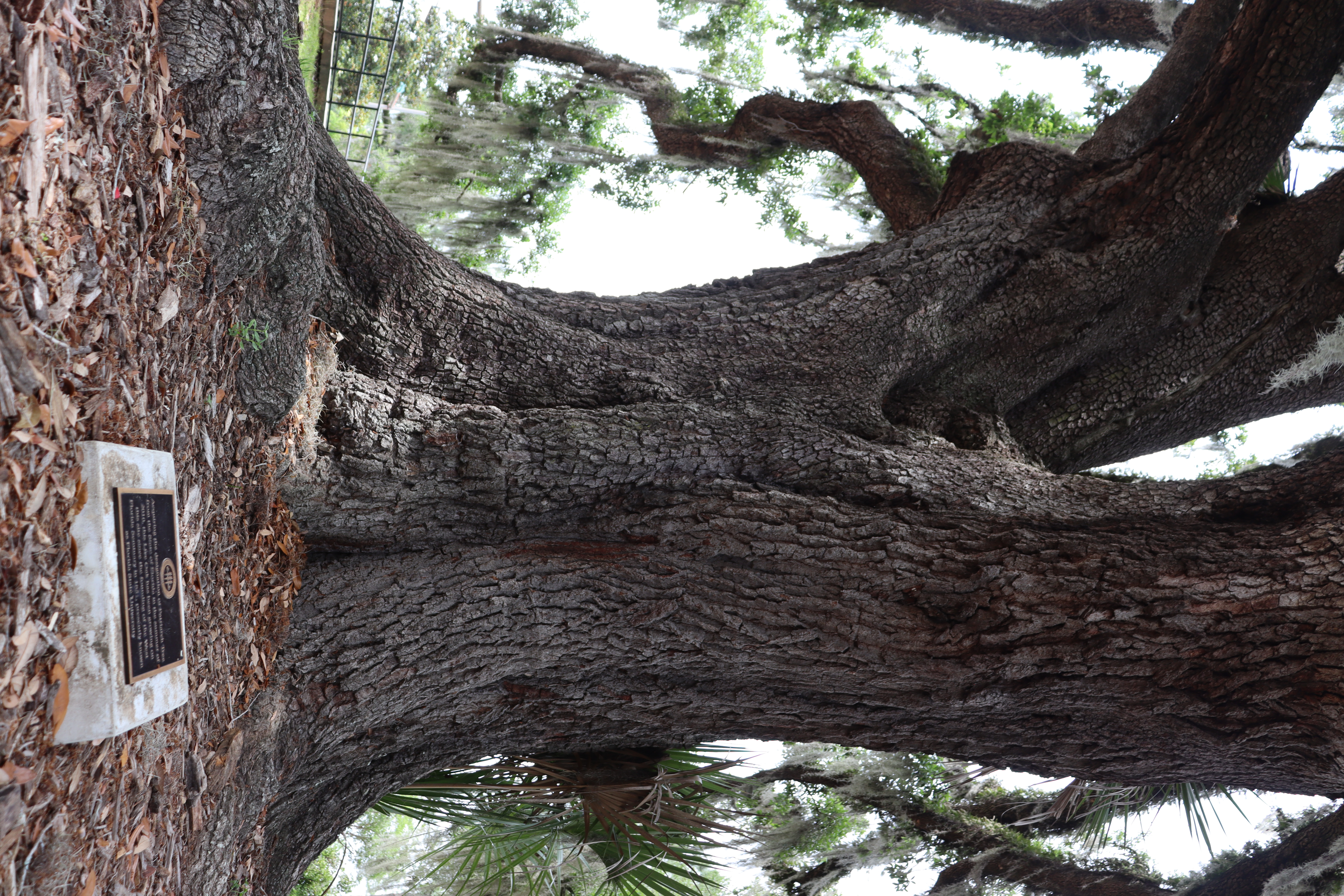
Noticing the visual signs of a healthy tree is only half the battle. There are many more visual cues that indicate that a tree is in poor health. The presence of fungi such as mushrooms and conks along the trunk or roots could indicate that the tree is rotting from the inside. If a tree is covered in holes, often called cavities, that aren’t healed over, that can also indicate rot or the presence of wildlife damaging the internal structure of the tree. Have you ever seen the roots of a tree lift huge chunks of dirt or even concrete? If the answer is yes, this is a pretty good sign that the tree may need to be removed.
FSU Grounds and Landscaping takes all these details into consideration every day as they work to keep our campus beautiful. Every day, members of the Grounds and Landscaping team go around campus and inspect trees, checking to see if any bark has fallen off and the buttress roots are free of damage as well as clearing away mulch and pine straw. These efforts are some of the many that contribute to our famously attractive campus, allowing visitors to be stunned by breathtaking greenery all over FSU.
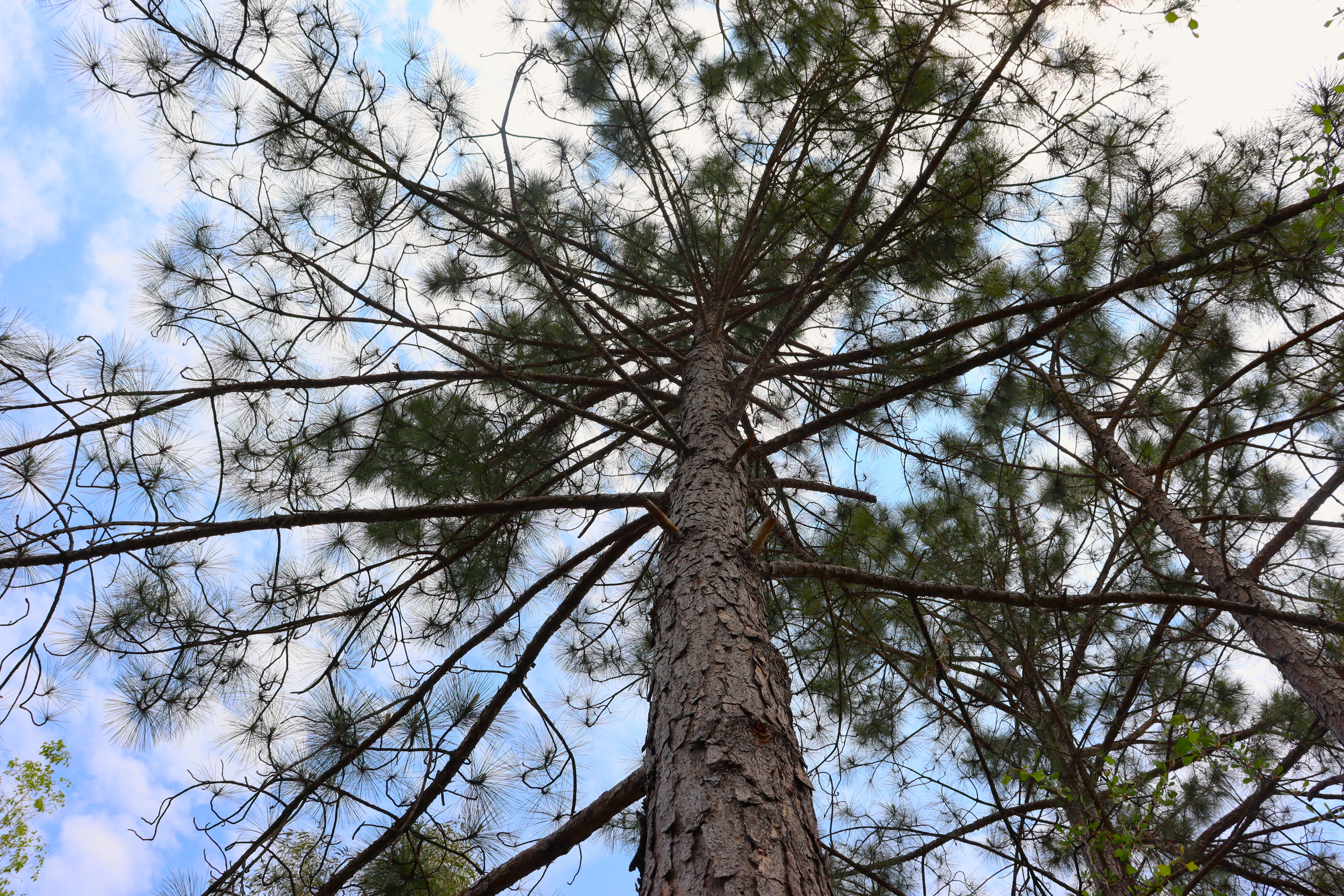
Want to keep the trees on your property healthy and thriving? FSU Grounds and Landscaping has a few recommendations to help homeowners give their trees the care they need. Individuals should be on the lookout for any sudden visual changes to the trunk or canopy, which is the upper half of the tree that includes the leaves and branches, such as cracks on the trunk or broken branches. The team warns that anyone noticing visual changes in their trees should not try to fix them on their own. Instead, they encourage concerned individuals to reach out to a certified arborist, trained professionals in maintaining tree health, so that they can come to assess any problems with the tree in a safe manner.